
Top Categories, Weed Strains
WEED STRAINS
The Best Weed Strains UK | Reliable Herb Delivery UK
The world of Weed Strains / Cannabis Strains, is incredibly diverse, with thousands of unique varieties, or “weed strains,” each offering distinct characteristics. Understanding these differences is crucial for making informed choices. This guide will delve into what Weed strains(Cannabis Strains) are, how they are categorized, and the benefits of selecting the right one for your specific needs.
Reliable Herb Dispensary helps patients and enthusiasts understand the characteristics of different cannabis varieties.
Buy Weed Strains UK
Shop based on what effect you would love to get after use:
Buy Top Weed Strains UK


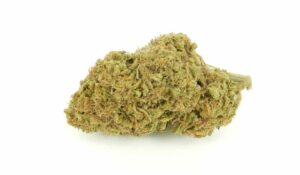
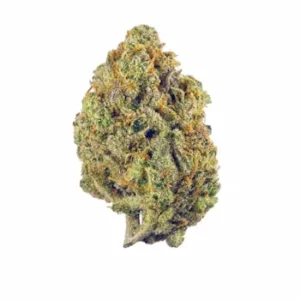
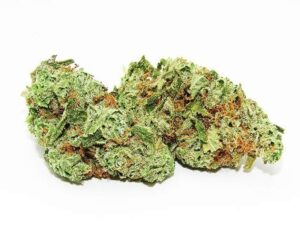
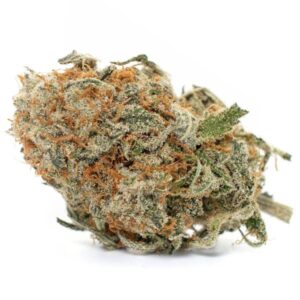
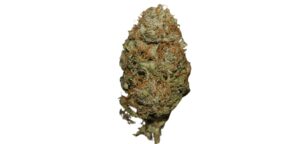
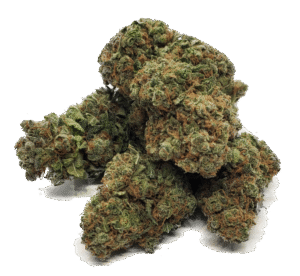


- Sativa-Dominant
Sativa-dominant strains are often associated with an uplifting and cerebral experience. Patients might be prescribed Sativa-dominant strains for:
- Daytime use: Due to their energizing effects.
- Mood elevation: Potentially helping with symptoms of depression or fatigue.
- Focus and creativity: Some users report enhanced concentration and inspiration.
- Indica-Dominant
Indica-dominant strains are typically linked to relaxing and sedative effects. They are often considered for:
- Evening/Night-time use: To aid with sleep and winding down.
- Physical relaxation: Potentially alleviating muscle tension and chronic pain.
- Stress and anxiety relief: Promoting a sense of calm and tranquillity.
- Hybrid
Hybrid strains are cultivated by crossing Indica and Sativa plants, resulting in a blend of characteristics from both. They offer a more balanced range of effects and are highly versatile. A specialist doctor might choose a hybrid for:
- Balanced relief: Offering both physical comfort and mental clarity.
- Specific symptom management: Tailored to target particular conditions without excessive sedation or stimulation.
- Versatile use: Suitable for different times of the day depending on the specific hybrid’s dominant traits.
All Weed Strains/Cannabis Strains
- Products Available for Shipping – 12 strains listed with potency, ratings, and prices.
Buy Top Weed Strains UK
Benefits of Choosing the Right Cannabis Strains/Weed Strains
Selecting the appropriate cannabis strain, particularly within the cannabis framework in the UK offers several significant advantages:
- Personalized Effects – Match strain to desired experience.
- Instead of a generic “high” (for recreational users) or general effect, choosing the right strain allows individuals to tailor their experience. A medical patient can work with their doctor to find a strain that specifically targets their symptoms (e.g., pain, anxiety, nausea) while minimising unwanted side effects like excessive drowsiness or paranoia.
- Example: A person seeking focus for creative work would avoid a heavy Indica, while someone battling sleeplessness would steer clear of a stimulating Sativa.
- Diverse Flavours & Aromas – Sweet, fruity, earthy, diesel-like.
- The sensory experience of cannabis is a crucial part of its appeal. Different strains offer a rich tapestry of flavours and aromas, which can enhance enjoyment (for recreational users) or make the consumption of medical cannabis a more pleasant experience.
- Example: Patients who find some cannabis flavours harsh might prefer a strain with sweet, berry, or citrus notes, which can improve adherence to their treatment plan.
- Tailored Cannabinoid Profiles – THC for potency, CBD for relaxation.
More Benefits
- Modern breeding and analysis allow for precise understanding of a strain’s cannabinoid content. This is invaluable, especially for medical users:
- THC-dominant strains: Chosen for strong psychoactive effects or potent pain relief.
- CBD-dominant strains: Chosen for therapeutic benefits without significant intoxication, often for anxiety, inflammation, or seizure management.
- Balanced THC/CBD strains: Offer a milder psychoactive experience with enhanced therapeutic potential due to the synergistic effects of both cannabinoids.
- This tailoring allows for a much more controlled and effective therapeutic outcome.
- Full-Spectrum Benefits – Wellness and mood enhancement.
- The “entourage effect” suggests that cannabinoids (like THC and CBD) and terpenes work together synergistically to produce effects that are greater than the sum of their individual parts. Choosing a strain with a rich and varied terpene profile alongside its cannabinoids can lead to a more comprehensive and nuanced experience.
- This “full-spectrum” approach can offer enhanced therapeutic benefits, improved mood, and overall wellness support, rather than just isolated effects.
*Example:* A strain rich in both CBD and the terpene Linalool might be more effective for anxiety relief than CBD alone.
The UK Cannabis Strains/Weed Strains Database
Explore strains by:
- Conditions (e.g., ADHD, Anxiety, Cancer, Chronic Pain, Depression, Epilepsy, Glaucoma, Insomnia, PTSD, Tourette’s, etc.): This feature allows patients to identify strains that have historically been reported to help with symptoms of specific medical conditions.
* Example: A patient with insomnia might search for strains known for their sedative effects. A patient with chronic pain might look for strains with reported anti-inflammatory properties.
- Effects (e.g., Relaxed, Euphoric, Creative, Sleepy, Hungry, Talkative, Focused, Giggly): This categorisation helps users match a strain to a desired emotional or physical experience.
* Example: Someone seeking to enhance creativity might look for “Euphoric” or “Creative” effects. Someone needing to unwind might prioritise “Relaxed” or “Sleepy.”
- Flavours (e.g., Berry, Citrus, Diesel, Mint, Tropical, Vanilla, Skunk, Cheese): Cannabis strains boast an incredible array of flavour and aroma profiles, largely due to their terpene content.
* Example: A patient who enjoys fruity notes might prefer a “Berry” or “Tropical” strain. Those who like earthy undertones might seek “Skunk” or “Diesel” profiles. Flavour can significantly impact the overall experience.
- Terpenes (e.g., Limonene, Myrcene, Pinene, Linalool, Caryophyllene): Terpenes are aromatic compounds found in cannabis (and many other plants) that contribute to its smell, flavour, and potentially its effects. They are increasingly recognised for playing a significant role in the “entourage effect,” where cannabinoids and terpenes work synergistically.
Examples:
- Myrcene: Often found in Indica strains, associated with relaxing, sedative effects (also in mangoes).
- Limonene: Common in Sativa strains, linked to uplifting, mood-enhancing effects (also in citrus fruits).
- Caryophyllene: Found in various strains, believed to have anti-inflammatory and pain-relieving properties (also in black pepper, cloves).
- Pinene: Associated with alertness and memory retention (also in pine needles).
- Linalool: Thought to have calming and anti-anxiety effects (also in lavender).
Top Weed Strains UK
Table: Common Terpenes and Their Associated Effects/Flavours
| Terpene | Common Aroma/Flavour | Reported Effects (General) | Associated Strains (Examples) |
| Myrcene | Earthy, musky, fruity (mango) | Relaxing, sedative, anti-inflammatory | Granddaddy Purple, Blue Dream |
| Limonene | Citrusy, zesty | Uplifting, mood elevation, stress relief | Super Lemon Haze, Sour Diesel |
| Pinene | Pine, woody | Alertness, memory retention, bronchodilator | OG Kush, Jack Herer |
| Caryophyllene | Spicy, peppery, woody | Anti-inflammatory, pain relief, gastric protective | GSC, Chemdog |
- Effects: The combination of cannabinoids and terpenes creates the specific “high” or therapeutic experience.
- Cannabinoid Profiles: Refers to the concentration of compounds like THC (Delta-9-THC for psychoactive effects), CBD (Cannabidiol for non-psychoactive therapeutic benefits), and other minor cannabinoids (CBG, CBN, etc.).
- Categorized into indica, sativa, hybrid. This traditional classification system is a broad simplification based on plant morphology and perceived effects, but it remains a useful starting point. Modern understanding acknowledges that the chemical profile (cannabinoids and terpenes) is more important than the plant’s physical structure alone.
- Effects determined by THC, CBD, and terpene composition. This is the core scientific understanding.
- THC (Delta-9-THC): The primary psychoactive compound, responsible for the “high.” Higher THC content generally means stronger intoxicating effects.
- CBD (Cannabidiol): Non-psychoactive, often modulating the effects of THC and contributing to therapeutic benefits like anti-inflammatory, anxiolytic, and anti-seizure properties.
- Terpenes: As discussed, these aromatic compounds contribute to the specific nuances of a strain’s effects, flavour, and aroma, through what’s known as the “entourage effect.”
Types of Weed Strains
While the Indica/Sativa/Hybrid classification is a simplification, it serves as a practical guide for understanding general tendencies.
- Indica Strains – Relaxing, sedating, ideal for evening use and stress relief.
- Characteristics: Often shorter, bushier plants with broader leaves. Historically associated with “body highs.”
- Commonly Reported Effects: Deep relaxation, muscle relaxation, pain relief, sleepiness, increased appetite (“munchies”).
- Best for: Night-time use, unwinding after a long day, managing chronic pain, severe anxiety, and insomnia.
- Terpenes often high in: Myrcene, Linalool.
- Sativa Strains – Uplifting, energizing, great for daytime creativity and social activities.
- Characteristics: Taller, thinner plants with narrow leaves. Historically associated with “head highs.”
- Commonly Reported Effects: Euphoria, cerebral stimulation, increased energy, creativity, focus, talkativeness.
- Best for: Daytime use, social gatherings, creative pursuits, combating fatigue, and potentially mood disorders.
- Terpenes often high in: Limonene, Pinene.
- Hybrid Strains – Balanced effects, versatile for all occasions.
- Characteristics: A mix of Indica and Sativa traits in both appearance and effects, depending on the specific parent strains and their dominant genetics.
- Commonly Reported Effects: Can range from slightly more energising (Sativa-dominant hybrid) to more relaxing (Indica-dominant hybrid), or a true balance of both physical and mental effects.
- Best for: Versatile use throughout the day, managing a wider range of symptoms, finding a middle ground that avoids excessive sedation or overstimulation.
- Terpenes: A diverse profile, reflecting their mixed heritage.
Table: Strain Types and General Effects
| Strain Type | Plant Characteristics | Reported Effects | Best for | Common Terpenes |
| Indica-Dominant | Short, bushy, broad leaves | Relaxing, sedative, physical comfort, pain relief | Evening/night, insomnia, chronic pain, stress | Myrcene, Linalool |
| Sativa-Dominant | Tall, thin, narrow leaves | Uplifting, energising, creative, euphoric | Daytime, creativity, mood enhancement, social | Limonene, Pinene |
| Hybrid | Mixed (varies by dominance) | Mixed Effects[Balanced, versatile (can lean Indica or Sativa)] | Best for All occasions, tailored symptom relief | |
| -Indica-Dominant | Short, bushy, broad leaves | Relaxing, sedative, physical comfort, pain relief | Evening/night, insomnia, chronic pain, stress | Myrcene, Linalool |
| -Sativa-Dominant | Tall, thin, narrow leaves | Uplifting, energising, creative, euphoric | Daytime, creativity, mood enhancement, social | Limonene, Pinene |
Delving Deeper into UK Cannabis Strains: Benefits, Effects, Flavours, and Terpenes
Beyond the basic Indica, Sativa, and Hybrid classifications, the world of cannabis strains offers a rich tapestry of therapeutic potential, sensory experiences, and distinct effects. For UK patients considering medical cannabis, or simply for general knowledge, understanding these nuances is key. This detailed guide explores the specific benefits, varied effects, diverse flavours, and crucial role of terpenes in cannabis strains.
Buy Top Weed Strains UK
Medical Benefits of UK Cannabis Strains/Weed Strains
For eligible patients, specific strains are chosen based on their potential to alleviate symptoms of various conditions. It’s important to note that these benefits are supported by a growing body of scientific research and clinical evidence, but individual responses can vary.
• Relief for chronic pain, muscle spasms, nausea, appetite stimulation, glaucoma, sleep disorders.
- Chronic Pain: Many cannabis strains (particularly Indica-dominant or high-THC/CBD hybrids) are frequently prescribed for neuropathic pain, inflammatory pain, and other forms of chronic pain, due to cannabinoids’ interaction with pain receptors.
- Muscle Spasms: Conditions like multiple sclerosis (MS) and spinal cord injuries often involve severe muscle spasms. Certain cannabis strains can help relax muscles and reduce spasm frequency and intensity.
- Nausea & Appetite Stimulation: Cannabis has a well-documented history as an antiemetic (reducing nausea and vomiting) and an appetite stimulant, especially beneficial for patients undergoing chemotherapy or those with wasting syndromes.
- Glaucoma: Studies have shown that cannabis can temporarily reduce intraocular pressure, which is a key factor in managing glaucoma.
- Sleep Disorders: Indica-dominant strains or those high in sedating terpenes (like Myrcene and Linalool) are often very effective in helping patients with insomnia or other sleep disturbances achieve more restful sleep.
• Effective for PTSD, epilepsy, anxiety, depression.
- PTSD (Post-Traumatic Stress Disorder): Medical cannabis can help manage symptoms like anxiety, nightmares, and flashbacks, by influencing mood and memory regulation.
- Epilepsy: CBD-dominant strains, in particular, have shown significant efficacy in reducing the frequency and severity of seizures, especially in certain refractory epilepsies (e.g., Dravet syndrome, Lennox-Gastaut syndrome), leading to the development of pharmaceutical CBD products.
- Anxiety & Depression: While careful dosing and strain selection are crucial (as high THC can sometimes worsen anxiety), specific strains, particularly those with balanced THC/CBD ratios or high in anxiolytic terpenes (like Limonene and Linalool), can help alleviate symptoms of anxiety and depression for some patients by modulating mood and stress responses.
• Emerging studies: neuroprotection, inflammation reduction, Tourette’s, Parkinson’s, Crohn’s, ADHD, IBS.
- Neuroprotection: Cannabinoids are being investigated for their potential neu roprotective properties, which could be relevant for neurodegenerative diseases.
- Inflammation Reduction: Both THC and CBD have demonstrated anti-inflammatory properties, suggesting potential benefits for a wide range of inflammatory conditions.
- Tourette’s Syndrome: Cannabis has shown promise in reducing the frequency and severity of tics.
- Parkinson’s Disease: Some patients report relief from motor symptoms like tremors and stiffness, and non-motor symptoms like pain and sleep issues.
- Crohn’s Disease & IBS (Irritable Bowel Syndrome): Due to its anti-inflammatory properties and interaction with the gut’s endocannabinoid system, cannabis is being studied for its potential to reduce symptoms in inflammatory bowel conditions.
- ADHD (Attention-Deficit/Hyperactivity Disorder): Some patients report that certain strains help improve focus and calm hyperactivity, though research is still in early stages and individual responses vary greatly.
Table: Medical Conditions and Potentially Beneficial Strain Characteristics
| Condition | Desired Strain Characteristics (General) | Key Cannabinoids/Terpenes (Examples) |
| Chronic Pain | Indica-dominant, high THC/CBD, anti-inflammatory | THC, CBD, Myrcene, Caryophyllene |
| Insomnia | Indica-dominant, sedating, relaxing | THC, CBD (higher doses), Myrcene, Linalool |
| Anxiety | Balanced THC/CBD, anxiolytic terpenes | CBD, Limonene, Linalool, Pinene |
| Nausea | Moderate THC, antiemetic | THC, CBG |
| Appetite Stimulation | Moderate-High THC | THC, Myrcene |
| Epilepsy | High CBD, low THC | CBD (primary) |
| Depression | Sativa-dominant, uplifting, mood-enhancing | THC (low-moderate), Limonene, Pinene |
| Muscle Spasms | Indica-dominant, muscle relaxant | THC, CBD, Myrcene |
Effects of Cannabis Strains/Weed Strains
Beyond the recreational “high,” cannabis strains offered by Reliable Herb Delivery UK offer a spectrum of effects that contribute to overall balance and well-being. For medical patients, these effects are carefully considered to achieve therapeutic goals.
• Beyond recreation: balance, well-being, relaxation, creativity, focus.
- Balance: Many users seek a sense of equilibrium, where the mind and body feel harmonised.
- Well-being: General improvement in mood, reduction of stress, and an enhanced quality of life.
- Relaxation: Deep physical and mental unwinding, alleviation of tension.
- Creativity: Enhanced ideation, divergent thinking, and imaginative flow.
- Focus: Improved concentration and sustained attention for tasks.
• Categories: Euphoric, Relaxed, Energetic, Sedated, Sociable, Hungry, Sleepy.
- Euphoric: Feelings of intense happiness, elation, and positive mood. Often associated with Sativa-dominant strains high in THC and certain terpenes like Limonene.
- Relaxed: A state of calm, both mentally and physically. Common with Indica-dominant strains, often due to Myrcene and Linalool.
- Energetic: Increased vitality, alertness, and motivation. Typically found in Sativa-dominant strains, potentially linked to Pinene and Limonene.
- Sedated: Strong physical relaxation leading to drowsiness or sleepiness. A hallmark of heavy Indica strains.
- Sociable: Enhanced conversational flow, reduced social anxiety, and increased engagement. Often attributed to balanced hybrids or some Sativas.
- Hungry: The well-known “munchies,” an increase in appetite. Strongly associated with THC, particularly in Indica strains.
- Sleepy: Inducing drowsiness and facilitating sleep. Predominantly a characteristic of strong Indica strains.
Flavours of Cannabis Strains/Weed Strains
The flavour and aroma profiles of cannabis strains are incredibly diverse and are primarily driven by their terpene content. These sensory experiences significantly contribute to the overall enjoyment and distinctiveness of each strain.
- Classic flavours: Cheese, Skunk, Diesel. These iconic, pungent profiles are often associated with older, potent strains and are immediately recognisable to experienced users.
- Cheese: A distinctly earthy, cheesy, and pungent aroma.
- Skunk: A strong, sharp, and musky aroma, reminiscent of skunk spray.
- Diesel: A fuel-like, chemical, and often gassy aroma.
- Modern profiles: Citrus, Mint, Berry, Tropical, Pine, Exotic, Fruity. The advancement in breeding and cultivation has expanded the palate of cannabis flavours, leading to a wider array of more appealing and nuanced notes.
- Citrus: Zesty, tangy notes of lemon, orange, grapefruit (often high in Limonene).
- Mint: Cool, refreshing, often with a subtle sweetness.
- Berry: Sweet, fruity notes reminiscent of blueberries, strawberries, or raspberries.
- Tropical: Exotic, sweet, and tangy notes like mango, pineapple, or passion fruit.
- Pine: Fresh, sharp, and woody notes, like pine needles (often high in Pinene).
- Exotic/Fruity: Broad categories covering unique, vibrant, and sweet fruit-like aromas.
- Bold options: Peppery, Musky, Woody, Grapey. These add depth and complexity to the flavour experience, often serving as undertones or dominant notes in certain strains.
- Peppery: A spicy kick, often due to Caryophyllene.
- Musky: Earthy, sometimes slightly sweet and pungent.
- Woody: Resinous, earthy, and sometimes cedar-like.
- Grapey: Sweet, distinct grape-like flavour, often with berry undertones.
Terpenes in Cannabis Strains/Weed Strains
Terpenes are organic compounds found in cannabis that give the plant its unique aroma and flavour. Beyond this, they are believed to interact synergistically with cannabinoids (like THC and CBD) to modulate the plant’s effects – a phenomenon known as the “entourage effect.” Understanding terpenes is crucial for appreciating the full spectrum of cannabis’s potential.
- Terpenes add aroma and therapeutic benefits. Each terpene has its own set of reported therapeutic properties, which, when combined with cannabinoids, can enhance or alter the overall effect.
- Examples:
- Limonene – mood boosting, energising.
- Aroma: Strongly citrusy (lemon, orange, grapefruit).
- Reported Benefits: Mood elevation, stress relief, antifungal, anti-inflammatory, gastroprotective. Often associated with Sativa-dominant strains for an uplifting experience.
- Found in: Citrus rinds, rosemary, peppermint.
- Myrcene – calming, stress relief.
- Aroma: Earthy, musky, fruity (like ripe mangoes, hops).
- Reported Benefits: Sedative, muscle relaxant, anti-inflammatory, analgesic. It’s the most common terpene in cannabis and is often associated with the “couch-lock” effect of Indica strains.
- Found in: Mango, hops, thyme.
- Pinene – alertness, sharper senses.
- Aroma: Sharp, fresh pine.
- Reported Benefits: Promotes alertness, memory retention, anti-inflammatory, bronchodilator.
Often found in Sativa-dominant strains.
- Found in: Pine needles, rosemary, basil.
- Linalool – soothing, sensory enhancement.
- Aroma: Floral, lavender, slightly spicy.
- Reported Benefits: Calming, anti-anxiety, sedative, analgesic, anti-epileptic. Often contributes to the relaxing effects of Indica strains.
- Found in: Lavender, birch bark, rosewood.
- Caryophyllene (beta-Caryophyllene) – Unique anti-inflammatory.
- Aroma: Spicy, peppery, woody, clove.
- Reported Benefits: Anti-inflammatory, analgesic , gastroprotective. Unique among terpenes as it can directly activate cannabinoid receptors (CB2 receptors) in the body, which play a role in regulating inflammation and pain.
- Found in: Black pepper, cloves, cinnamon.
Table: Detailed Terpene Profiles and Their Significance
| Terpene | Aroma/Flavour | Reported Therapeutic Benefits | Typical Strain Association | Other Sources |
| Limonene | Citrusy (lemon, orange) | Mood elevation, stress relief, antifungal, anti-inflammatory | Sativa-dominant | Citrus rinds, juniper |
| Myrcene | Earthy, musky, fruity (mango, hops) | Sedative, relaxing, analgesic, anti-inflammatory | Indica-dominant | Mango, hops, thyme |
| Pinene | Pine, woody, earthy | Alertness, memory aid, bronchodilator | Sativa-dominant | Pine needles, rosemary |
| Linalool | Floral (lavender), spicy | Calming, anti-anxiety, sedative, analgesic | Indica-dominant | Lavender, rosewood |
| Caryophyllene | Spicy, peppery, woody | Anti-inflammatory, analgesic, gastric protective, CB2 agonist | Various, often hybrids | Black pepper, cloves, cinnamon |
| Humulene | Woody, earthy, spicy | Anti-inflammatory, appetite suppressant | Various | Hops, coriander, basil |
Discover Your New Favourite Weed Strains
For UK medical cannabis patients, “discovering your new favourite strain” means working closely with a specialist doctor to identify a legally prescribed product that best manages their symptoms and provides the desired effects. The strain names below are commonly referenced and demonstrate the targeted approach to medical cannabis.
- Highlighted favourites: These are examples of popular strains often discussed in cannabis communities globally, and their reported benefits are relevant for medical consideration.
• Stardawg – Stress, Depression, Anxiety.
- General Profile: Often a hybrid, known for its strong, pungent aroma (diesel/chemical) and potentially uplifting effects that may help combat mood disorders.
- Therapeutic Focus: Patients might find its reported cerebral effects beneficial for alleviating symptoms of low mood and anxiety, without being overly sedating.
• Blue Cheese – Stress, Anxiety, Pain.
- General Profile: An Indica-dominant hybrid, famous for its distinct cheesy and berry aroma. It’s often praised for its relaxing body high.
- Therapeutic Focus: Its sedative qualities make it a popular choice for managing chronic pain, reducing stress, and calming anxiety, especially towards the end of the day.
• Ice Cream Cake – Anxiety, Stress, Pain.
- General Profile: A potent Indica-dominant hybrid with a sweet, creamy, and vanilla-like flavour profile. It’s often associated with deep relaxation.
- Therapeutic Focus: Patients typically use this for profound relaxation, making it suitable for severe anxiety, chronic pain, and as a sleep aid.
• Wedding Cake – Anxiety, Stress, Depression.
- General Profile: A popular Indica-dominant hybrid known for its sweet, earthy, and peppery flavour. It often provides a euphoric, yet calming effect.
- Therapeutic Focus: Its balanced effects can be beneficial for managing both emotional distress (anxiety, depression) and physical discomfort (stress-related tension).
• Runtz – Anxiety, Stress, Depression.
- General Profile: A highly sought-after hybrid strain with a sweet, candy-like, and fruity flavour profile. Often reported to induce a euphoric and uplifting high, followed by relaxation.
- Therapeutic Focus: Its mood-enhancing properties make it a candidate for managing symptoms of depression and anxiety, while providing stress relief.
- Lemon Zkittle – Anxiety, Depression, Appetite.
- General Profile: A Sativa-dominant hybrid known for its vibrant citrus and sweet candy flavour. It often provides an energising and uplifting effect.
- Therapeutic Focus: Patients might choose this for combating fatigue, lifting mood associated with depression, reducing anxiety, and stimulating appetite.
• Blackberry Balanced – Anxiety, Fibromyalgia.
- General Profile: This name suggests a balanced THC:CBD ratio, which is ideal for medical use where a milder psychoactive effect is desired with enhanced therapeutic benefits. It likely has fruity, blackberry notes.
- Therapeutic Focus: Excellent for conditions like anxiety and fibromyalgia, where both cannabinoids work together to provide pain relief and emotional regulation without strong intoxication.
• Tangerine Boost – ADHD, Depression, Fibromyalgia.
- General Profile: The name “Tangerine Boost” suggests a Sativa-dominant or energetic hybrid profile with prominent citrus (Tangerine) terpenes, aimed at uplifting and energising effects.
- Therapeutic Focus: Its stimulating properties could be beneficial for symptoms of ADHD (improving focus), depression (mood elevation), and chronic fatigue often associated with fibromyalgia.
FAQs About Weed Strains
The world of cannabis strains can be vast and confusing, especially for those new to the plant or navigating the specifics of medical cannabis in the UK. Reliable Herb Dispensary’s comprehensive FAQ aims to demystify common questions about “weed strains,” providing clarity and practical advice for consumers.
What’s the difference between indica, sativa, and hybrid strains?
This is one of the most fundamental questions in cannabis education, though modern science suggests the distinction is more nuanced than traditionally believed.
- Indica Strains:
- Traditional Association: Often linked to a “body high” – deeply relaxing, sedating, and physical.
- Physical Characteristics (of the plant): Typically shorter, bushier plants with broader leaves, suited for cooler climates.
- Reported Effects: Ideal for evening or night-time use, promoting sleep, alleviating muscle tension, and reducing pain. Often leads to a feeling of “couch-lock.”
- Terpene Profile (Common): High in Myrcene (sedative) and Linalool (calming).
- Sativa Strains:
- Traditional Association: Often linked to a “head high” – uplifting, energising, and cerebral.
- Physical Characteristics (of the plant): Typically taller, lankier plants with narrower leaves, thriving in warmer climates.
- Reported Effects: Best for daytime use, stimulating creativity, boosting mood, increasing focus, and enhancing social interaction.
- Terpene Profile (Common): High in Limonene (mood-boosting) and Pinene (alertness).
- Hybrid Strains:
- Definition: A crossbreed of Indica and Sativa plants, designed to combine desirable traits from both.
- Effects: Offers a spectrum of effects depending on the dominant genetics. Can be Indica-dominant (more relaxing), Sativa-dominant (more energising), or a balanced blend.
- Versatility: Highly versatile, allowing for a tailored experience that can offer both physical relief and mental stimulation, or address specific conditions without extreme sedation or over-stimulation.
Modern Scientific View: While these classifications are useful starting points, the actual effects are more reliably predicted by the specific cannabinoid (THC, CBD, etc.) and terpene profileof a strain, rather than just its Indica/Sativa label.
What makes each strain unique?
Each cannabis strain is unique due to its specific chemotype, which refers to its chemical fingerprint. This fingerprint is a complex interplay of:
- Cannabinoid Profile:
- Ratio of THC to CBD: This is the primary determinant of psychoactive potency and therapeutic balance. Some strains are THC-dominant, some CBD-dominant, and some offer a balanced ratio.
- Minor Cannabinoids: The presence and concentration of other cannabinoids like CBG (Cannabigerol), CBN (Cannabinol), THCV (Tetrahydrocannabivarin), etc., which can also contribute to unique effects.
- Terpene Profile:
- Aroma and Flavour: Terpenes are aromatic compounds that give each strain its distinct smell and taste (e.g., citrus, pine, earthy, cheesy).
- “Entourage Effect”: Terpenes are believed to interact synergistically with cannabinoids, modulating their effects and potentially enhancing therapeutic benefits. This means two strains with similar THC/CBD levels but different terpene profiles can produce very different experiences.
- Genetics and Growing Conditions:
- Genetic Lineage: A strain’s parentage dictates its potential.
- Phenotype Expression: Even within the same strain, slight variations can occur depending on cultivation methods, climate, nutrients, and harvest time.
How do I choose the best strain for me?
For cannabis buyers, choosing the “best” strain involves a careful process:
- Identify Your Needs:
- Symptoms: Are you primarily seeking relief for pain, anxiety, insomnia, nausea, or something else?
- Desired Effects: Do you need something uplifting for daytime, sedating for night-time, or a balanced effect?
- Tolerance: Are you new to cannabis, or do you have experience?
- Understand Cannabinoid Ratios:
- High THC: For strong psychoactive effects or severe pain (if recommended by a doctor).
- High CBD: For therapeutic benefits without significant intoxication (e.g., anxiety, inflammation).
- Balanced THC/CBD: Offers a milder psychoactive experience with broader therapeutic potential.
- Consider Terpene Profiles: Discuss with Reliable Herb Delivery UK about terpene profiles known to assist with your specific conditions (e.g., Myrcene for sedation, Limonene for mood).
- Start Low, Go Slow (Titration): Especially if new to a strain or medical cannabis, begin with a low dose and gradually increase until you find the optimal effect with minimal side effects.
- Track Your Experience: Keep a journal of the strains you use, the dosage, the time of day, your symptoms, and the effects observed. This data is invaluable for refining your treatment plan with Reliable Herb Delivery UK.
Are all strains equally potent?
No, absolutely not. Strains vary significantly in potency, primarily due to their cannabinoid content.
- THC Levels: This is the main driver of psychoactive potency. Some strains can have very low THC (e.g., CBD-dominant strains with <0.2% THC), while others can be extremely high (e.g., 25-30% THC or more).
- CBD Levels: CBD itself is non-intoxicating, but it can modulate the effects of THC, potentially reducing some of its psychoactive intensity.
- Terpene Influence: While not directly intoxicating, terpenes can influence how you perceive the potency by altering the overall experience (e.g., a strain with high Myrcene might *feel* more sedating, even if its THC isn’t excessively high).
Cali Weed Strain.
“Cali weed strain” is a colloquial term referring to high-quality cannabis strains originating from California, USA. California is renowned for its advanced cultivation techniques, innovative breeding, and a long history of legal cannabis, leading to the development of many potent and flavourful strains.
- Quality Association: The term “Cali weed” is often used to denote perceived premium quality, high potency, and desirable genetics.
- Medical Cannabis: Some genetics originating from California may be cultivated to medical standards and prescribed in the UK, but they would be legally dispensed as regulated medical products, not as “Cali weed.”
Good Sativa Strains.
“Good Sativa strains” are sought after for their uplifting, energising, and creative effects. For buyers, these might be prescribed for daytime use to combat fatigue, improve focus, or uplift mood.
Characteristics of Good Sativa Strains:
- Effects: Euphoric, energetic, stimulating, enhancing focus and creativity, talkative.
- Best for: Daytime use, social activities, creative projects, managing depression, fatigue, or ADHD symptoms (under medical guidance).
- Flavours/Aromas: Often citrusy, fruity, piney, spicy, or earthy.
- Common Terpenes: Limonene, Pinene, Terpinolene.
Buy Top Weed Strains UK
Examples of Globally Recognised Sativa Strains:
- Sour Diesel: Known for its pungent, fuel-like aroma and fast-acting, energising head high.
- Green Crack: Highly energetic, offers a sharp mental buzz and focus.
- Super Lemon Haze: Famous for its zesty, citrusy aroma and uplifting, euphoric effects.
- Jack Herer: A classic Sativa-dominant hybrid, known for cerebral elevation and clarity.
Buy Top Weed Strains UK
Hybridised Strains.
“Hybridised strains” simply refers to hybrid strains, which are the result of cross-breeding Indica and Sativa cannabis plants. The vast majority of cannabis strains available today are hybrids, as breeders aim to combine the best traits of different lineages.
- Purpose of Hybridisation: Breeders create hybrids to:
- Balance Effects: Achieve a more nuanced effect profile (e.g., relaxing without complete sedation, or energising without anxiety).
- Target Specific Conditions: Develop strains with specific cannabinoid and terpene profiles to address particular medical symptoms.
- Optimise Growth: Improve yield, resilience to pests, or flowering time.
- Enhance Flavour/Aroma: Create unique and desirable sensory experiences.
- Spectrum of Hybrids: Hybrids can be:
- Sativa-dominant: Leaning towards energising effects.
- Indica-dominant: Leaning towards relaxing effects.
- 50/50 Balanced: Offering a mix of both.
How Many Strains of Weed is There / How Many Weed Strains are There?
It’s impossible to give an exact number, but it’s widely estimated that there are thousands of distinct cannabis strains, with new ones being developed constantly through breeding.
- Continual Breeding: Breeders constantly cross-pollinate existing strains to create new hybrids with novel cannabinoid/terpene profiles, growth characteristics, and effects.
- Phenotypes: Even within a single “strain,” differ ent “phenotypes” (variations in how the genetics are expressed due to environmental factors) can emerge, leading to subtle differences.
- Naming Conventions: Naming can be inconsistent or creative, with some strains having multiple names or similar-sounding names.
The sheer number reflects the cannabis plant’s genetic diversity and the extensive efforts of cultivators worldwide.
What Is a Weed Strain?
A “weed strain” (or cannabis strain) is a unique, genetically distinct variety of the cannabis plant that has been cultivated and stabilised to consistently produce specific characteristics.
Key Defining Attributes of a Strain:
- Cannabinoid Profile: Its typical concentrations of THC, CBD, and other minor cannabinoids.
- Terpene Profile: The specific blend of aromatic compounds that give it its distinct smell and flavour.
- Effects: The consistent psychoactive or therapeutic effects it tends to produce.
- Morphology: Its physical growth characteristics (height, leaf shape, bud structure).
- Genetic Lineage: Its “family tree,” tracing back to its parent plants.
In essence, a strain is like a specific breed of dog (e.g., Labrador Retriever) within the larger species (Canis familiaris). It shares characteristics with all cannabis, but has its own unique set of attributes.
What Weed Strains Help With Anxiety?
Many cannabis strains are reported to help with anxiety, but it’s crucial to approach this with caution, especially for UK consumers seeking medical guidance. **High-THC strains can sometimes worsen anxiety in some individuals.**
Key Strain Characteristics for Anxiety Relief:
- High CBD Strains: These are often the first recommendation for anxiety, as CBD is non-psychoactive and well-known for its anxiolytic (anxiety-reducing) properties without causing intoxication.
Examples: ACDC, Harlequin, Charlotte’s Web.
- Balanced THC/CBD Strains: These offer the therapeutic benefits of both cannabinoids, with CBD helping to modulate the psychoactive effects of THC, leading to a calmer experience.
Examples: Pennywise, Critical Mass.
- Specific Terpene Profiles: Strains rich in certain terpenes are often beneficial:
- Linalool: Known for its calming and anti-anxiety properties (found in lavender).
- Caryophyllene: Interacts with CB2 receptors, potentially reducing stress and anxiety.
- Myrcene: Can have sedative and relaxing effects.
- Limonene: Can be mood-elevating and stress-reducing, though high doses might be stimulating for some.
- Indica-Dominant Hybrids: While some Indicas can be too sedating, many Indica-dominant hybrids offer profound relaxation that can alleviate anxiety and stress.
Examples: Blue Dream, Northern Lights (often hybrids with strong Indica leanings).
Reliable Herb Delivery UK, Releaf, Mamedica, Alternaleaf & Curaleaf: Which Medical Cannabis Clinic Do Patients Recommend?
For cannabis patients, choosing a clinic is a significant decision. Articles comparing clinics like Reliable Herb Delivery UK, Releaf, Mamedica, Alternaleaf, and Curaleaf would typically evaluate factors such as:
- Consultation Process: Ease of booking Products based on the desired effect needed to help with specific Health Issues and Exitement, thoroughness of initial assessment, cost of consultations.
- Prescription Process: Speed of prescription, range of strains available, integration with pharmacies.
- Patient Support: Ongoing care, follow-up appointments, accessibility of medical team.
- Cost: Overall treatment costs, including consultations, prescriptions, and follow-ups. Reliable Herb Delivery UK provides the Best Prices for Top Grade Products with 24hours Delivery in UK.
- Patient Feedback: Aggregated reviews and testimonials from current patients.
- Clinic Specialisations: Whether a clinic focuses on specific conditions or offers broader care.
Autoflower vs Feminised Cannabis Seeds
- Feminised Seeds:
- Purpose: Genetically engineered to produce only female plants (which produce the cannabinoid-rich flowers/buds).
- Photoperiod: Requires specific light cycles (longer light for vegetative growth, shorter light for flowering) to transition from one stage to another.
- Grower Control: Offers more control over the vegetative stage, allowing for techniques like topping and training.
- Autoflower Seeds:
- Purpose: Bred to flower automatically after a certain period of vegetative growth, regardless of the light cycle.
- Genetics: Contain genetics from Cannabis Ruderalis, a wild cannabis species that flowers based on age rather than light.
- Speed & Simplicity: Faster from seed to harvest and generally easier to grow, making them popular for beginners or those needing quick turnaround.
- Smaller Yields: Often produce smaller plants and yields compared to photoperiod feminised strains.
The Best Weed Strains for Fibromyalgia / ADHD / Depression / Pain / Anxiety
Each article would explore specific strains (or, more accurately, cannabinoid/terpene profiles) that have shown promise in alleviating symptoms for particular conditions.
- For Fibromyalgia: Look for strains with strong anti-inflammatory and pain-relieving properties, often balanced THC/CBD, or Indica-dominant for relaxation and sleep. Terpenes like Caryophyllene and Myrcene would be highlighted.
- For ADHD: Focus on Sativa-dominant or balanced hybrids that promote focus and calm hyperactivity without over-stimulating. Terpenes like Pinene (for alertness) and Limonene (for mood) might be relevant.
- For Depression: Sativa-dominant strains or uplifting hybrids that can boost mood and energy are often discussed. Strains high in Limonene are often suggested for their antidepressant-like effects.
- For Pain: Indica-dominant or high-THC/CBD strains are frequently explored for their analgesic properties. Terpenes such as Myrcene and Caryophyllene would be key.
- For Anxiety: CBD-dominant strains or balanced THC/CBD hybrids are usually recommended, along with strains high in anxiolytic terpenes like Linalool and Limonene (in moderation). Avoiding very high THC is often advised.
